Traditional charcoal or sawdust charcoal briquettes? How to choose the right type for you

Traditional charcoal or sawdust charcoal briquettes? How to choose the right type for you

Traditional charcoal or sawdust charcoal briquettes? How to choose the right type for you

 
Παραδοσιακά ξυλοκάρβουνα ή μπρικέτες; Πώς να επιλέξεις το κατάλληλο είδος για σένα

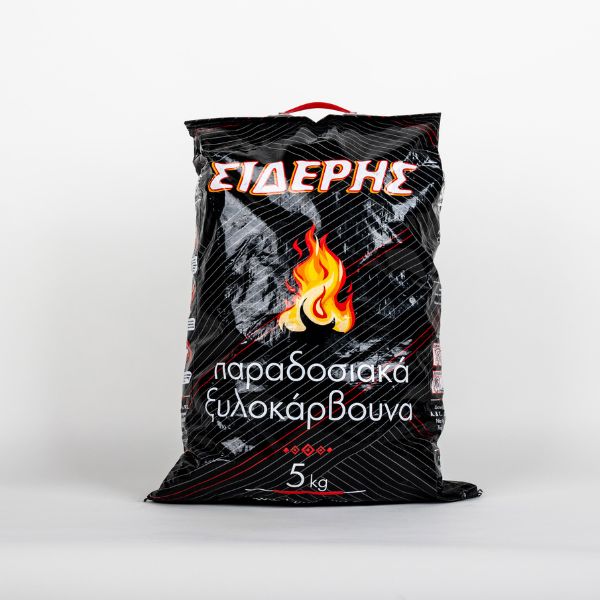
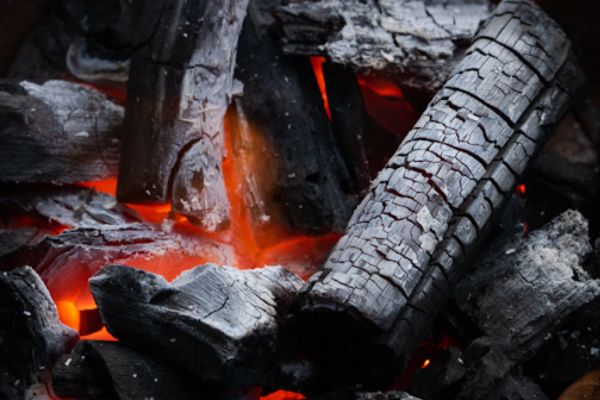
Traditional SIDERIS lumpwood charcoal is made by burning wood in the absence of oxygen, a process called pyrolysis.


Advantages of charcoal:

Clean burning: Charcoal is made from natural, hard wood that produces less ash than briquettes, making it easier to clean the barbeque.

High heat: Charcoal can reach a higher temperature than charcoal briquettes in a short period of time, which can be useful for quick grilling.

Faster ignition: Charcoal reacts more quickly in the presence oxygen, making it easier to grill when time is limited.

Price: Traditional charcoal is more economical than briquettes, although in professional use, briquettes may be more economical due to extended grilling times.

Possible disadvantages:

Inconsistent sizes: Depending our the source, traditional charcoal comes in a variety of sizes, which can lead to uneven temperatures. At SIDERIS, we make sure that our charcoal is as uniform as possible, whether for home or professional use, so that there is a perfect grilling result, every time.

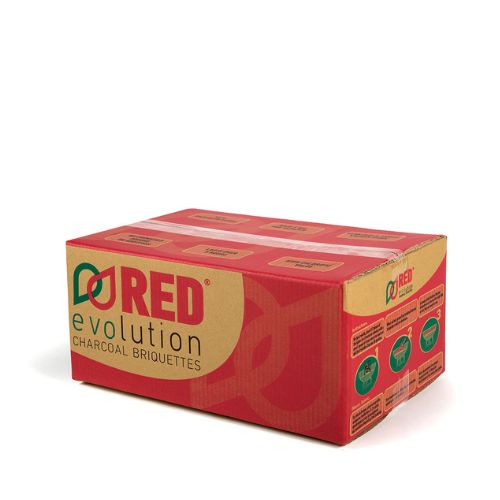
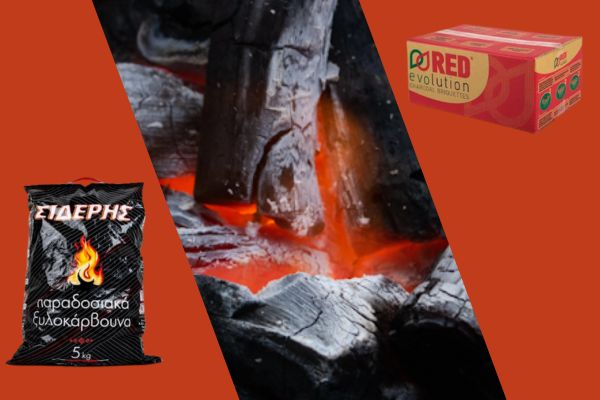
Burning time: When you either have a lot of meat to grill, or large-sized pieces, RED EVOLUTION sawdust charcoal briquettes may be a better choice, as you can depend on a 6-hour duration.

RED EVOLUTION Sawdust Charcoal Briquettes: The reliable choice

Επαγγελματικές Μπρικέτες Ξυλοκάρβουνου RED EVOLUTION 10kg

RED EVOLUTION sawdust charcoal briquettes are made from 100% natural, compressed sawdust, without chemicals or odours.

Pros:

Consistent Burning: Due to their overall uniform shape and size, charcoal briquettes provide a consistent temperature, making them great for low ‘n slow grilling.

Longer Burning Time: RED EVOLUTION sawdust charcoal briquettes can last over 6 hours, making them ideal for professionals who need a steady fire for a long period of time.

Cons:

More Ash: Briquettes produce more ash than traditional charcoal, so you need to clean your grilling area more often.

Slower Temperature Changes: If you need to quickly increase or decrease the temperature, charcoal briquettes are generally less sensitive to changes than charcoal.

So what’s the verdict – should I choose traditional SIDERIS lumpwood charcoal or RED EVOLUTION sawdust charcoal briquettes?

If you need a steady fire that can last for 6 hours, charcoal briquettes may be your best choice. If you prefer fast grilling, we recommend our traditional charcoal for easier and faster ignition.

Both SIDERIS charcoal and RED EVOLUTION charcoal briquettes have deservedly earned a solid place in the preferences of demanding grillers. Your choice of charcoal product that suits you should reflect your personal style of grilling, the type of meat you want to grill, and charcoal performance time.

Whether you choose charcoal or briquettes, one thing is certain. The key ingredient when lighting a fire is patience and passion. With SIDERIS company premium products, grilling is guaranteed to be a pleasure!

What is traditional lumpwood charcoal and how is it produced?

What is traditional lumpwood charcoal and how is it produced?

What is traditional lumpwood charcoal and how is it produced?


Τι είναι τα παραδοσιακά ξυλοκάρβουνα και πώς παράγονται;
SIDERIS traditional lumpwood charcoal is produced using hardwood. The charcoal is made through a process called pyrolysis. This involves heating the wood in a low-oxygen environment, which removes water, gases and other volatile substances from the wood, leaving mainly carbon and ash.

How is charcoal used?

SIDERIS lumpwood charcoal must be used exclusively for grilling outdoors or in professional kitchens with proper ventilation. Its high thermal efficiency and minimal smoke production make it the ideal solution for demanding grillers.

How is charcoal lit?

Charcoal can be lit using a starter container, an electric charcoal starter or a variety of SIDERIS firestarters. It is important to let the coal burn until covered a light film of ash before grilling, to ensure it has reached the correct temperature.

Is charcoal better than charcoal briquettes?

Lumpwood charcoal and sawdust charcoal briquettes each have their own advantages. Natural charcoal can reach a higher temperature when grilling and leave less ash, but charcoal briquettes burn for a longer period of time and provide a more consistent temperature.

Is charcoal a natural product?

SIDERIS traditional lumpwood charcoal is made from 100% natural hardwood.

Can charcoal be used indoors?

No, the use of charcoal indoors is strictly PROHIBITED, due to the risks arising from the release of carbon monoxide during combustion.

How long does traditional SIDERIS lumpwood charcoal last on the grill?

The average burning time for SIDERIS charcoal is approximately 4 hours, under controlled conditions.

What is the best way to store charcoal?

Charcoal should be stored in a dry and cool area. If exposed to moisture, charcoal can absorb water and become difficult to light.

Can I use wood charcoal in a smoker?

Yes, charcoal can be used in a smoker. It provides high heat and a steady burn, which is ideal for smoking meats.

Is SIDERIS charcoal environmentally friendly?

All SIDERIS charcoal is derived from sustainable sources.

Can I add more charcoal while grilling?

Yes, you can add more charcoal while grilling, if needed. Just make sure to add it a distance from your grilling area, so that food is not affected.

Recommended beef cuts for charcoal grilling

Recommended beef cuts for charcoal grilling

Recommended beef cuts for charcoal grilling

 
Κοπές μοσχαρίσιου κρέατος - πώς να επιλέξεις την κατάλληλη για ψήσιμο στα κάρβουνα

Butcher shops now offer a wide variety of beef cuts, but do you really know which ones to ask for in order to enjoy the best possible charcoal grill experience? Here are our favorite cuts of beef —all delicious and suitable for different budgets. 

1. FILET MIGNON
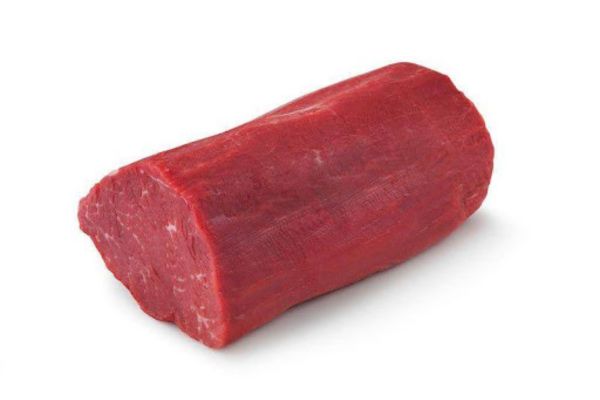
ΦΙΛΕΤΟ / FILET MIGNON

The French term filet mignon is widely used. It may also be referred to as tenderloin, medallion, or chateaubriand.

Characteristics: The filet is by far the most tender cut of beef, and because it is very lean, its flavor is quite delicate. Its texture is almost buttery and very uniform, as it contains little connective tissue or fat. If you buy chateaubriand, make sure that the meat actually comes from the fillet. Also, be careful not to confuse tournedos with fillet. The term tournedos can refer to any piece of meat that has been tied with string, giving it a round shape. It is usually made from the inside or outside round of the thigh and is definitely less tender than the tenderloin!

Best way to cook: Rare / Medium Rare. This fillet tends to dry out, so be careful not to overcook it.


2. TOP SIRLOIN
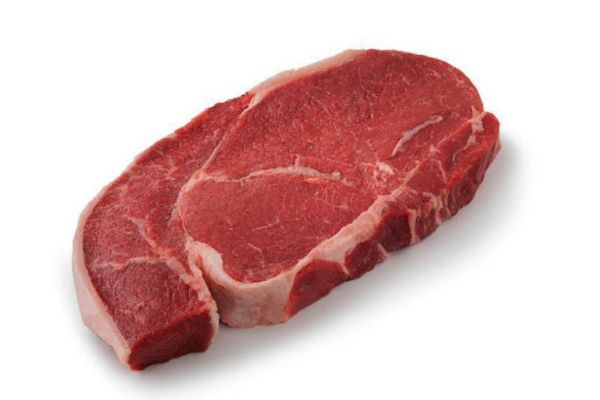
ΚΟΝΤΡΑ ΦΙΛΕΤΟ / TOP SIRLOIN

Characteristics: Top sirloin is less tender than strip loin and ribeye steaks, but more affordable and just as delicious.

Best way to cook: Rare / Medium Rare


3. STRIP LOIN
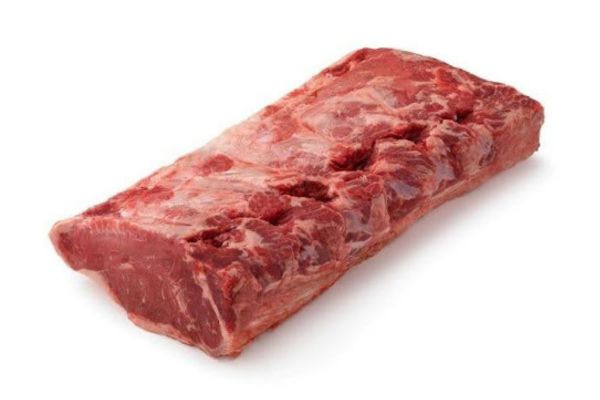
Other names: Contre-filet. On menus in the US, it is often called New York strip or Kansas strip (bone-in).

Characteristics: Strip loin is similar to tenderloin, but not as tender. However, it has much more marbling, making it juicy and flavorful. It’s also cut fairly thin and has a uniform texture.

Best way to cook: Rare/Medium Rare


4. RIB STEAK & RIB EYE
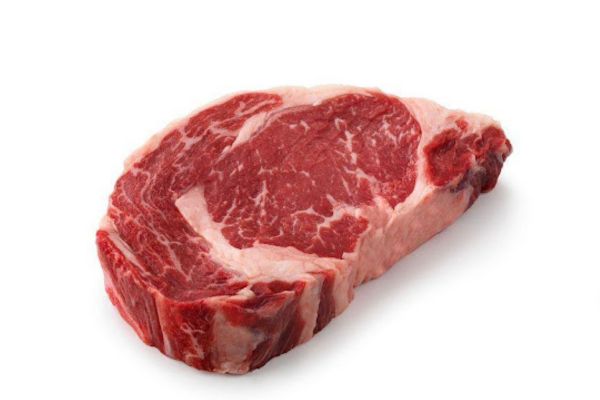
RIB STEAK & RIB EYE

Other names: On menus in the US, these are often referred to as Cowboy (for rib steak) or Delmonico (for rib-eye).

Characteristics: Rib-eye is the term for a boneless rib steak. Grilling enthusiasts prefer these cuts because they have a strong beef flavor. The reason? They contain a piece of fat called a fat plug, which is where the flavor, tenderness, and juiciness come from. The size of the fat plug decreases depending on which part of the animal it comes from. If you prefer something leaner, ask your butcher to cut meat from the lower part of the rib cage.

Best way to cook: Rare/Medium Rare


5. T-BONE
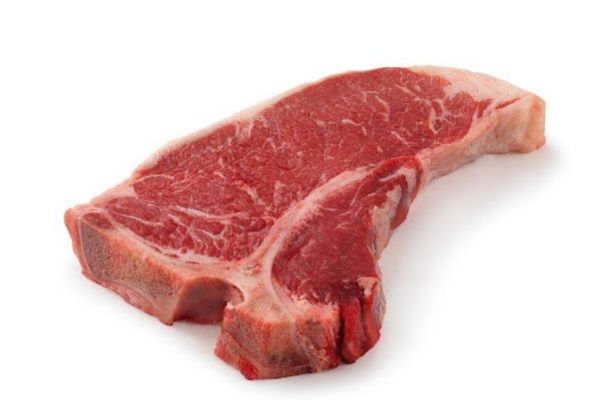
T-BONE

Other names: Porterhouse is the term used for cuts with a larger amount of tenderloin.

Characteristics: With a T-bone steak, you enjoy the best cuts of meat: a little tenderloin and a generous portion of strip loin. Porterhouse is cut from the bottom of the tenderloin (closer to the hip) and offers more tenderloin than T-bone, which is cut from the middle, however both are tender and delicious.

Best way to cook: Rare or medium rare.


6. BOTTOM SIRLOIN TRI-TIP
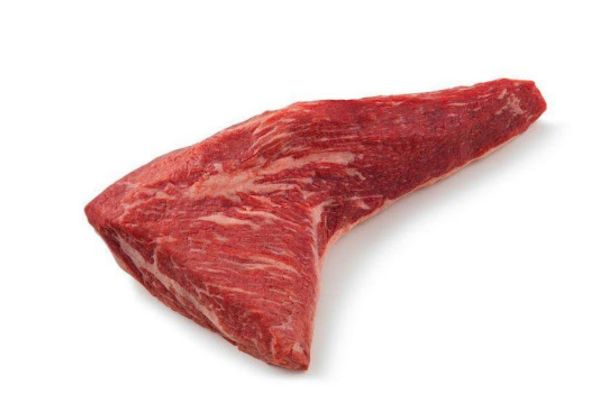
BOTTOM SIRLOIN TRI-TIP

Other names: Triangle, rump tail. In the US, it is often called Santa Maria steak.

Characteristics: The tri-tip is a lesser known cut that is rapidly gaining popularity. It is lean, tender, and offers excellent value. This muscle has a fine, uniform texture, little fat and no bones, so minimal trimming is required. The cut can be purchased whole and cooked as a roast or cut into steaks. When roasted, its irregular shape allows for two different levels of doneness: rare in the thicker part and medium rare in the thinner part.

Best cooked: Rare or medium rare. Avoid overcooking, which will dry out the meat. It should be cut into thin slices along the grain.


7. BOTTOM SIRLOIN FLAP
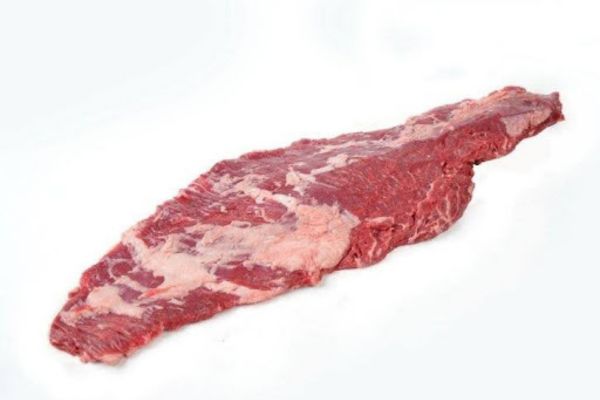
BOTTOM SIRLOIN FLAP

,
Other names: In France and Quebec, Canada, it is referred to as bavette.

Characteristics: This flavorful cut became popular in French bistros with the classic Bavette à l’échalote, a grilled steak served with an onion sauce. Think of it as the refined cousin of flank steak, with slightly thicker meat. It is also more tender than flank (thanks to its marbling) and just as delicious.

Best way to cook it: Rare or medium rare. It should be cut across the grain. It’s delicious as a steak, but also in strips in fajitas or warm salads.

Two cuts worth discovering
Behind the butcher’s counter, there are treasures waiting to be discovered. You probably won’t find these cuts in large supermarket chains. Instead, visit a butcher shop that offers a variety of beef cuts or place an order in advance. Prices and availability vary. Due to relatively low demand, they are slightly cheaper than classic cuts — for now.


8. HANGER STEAK
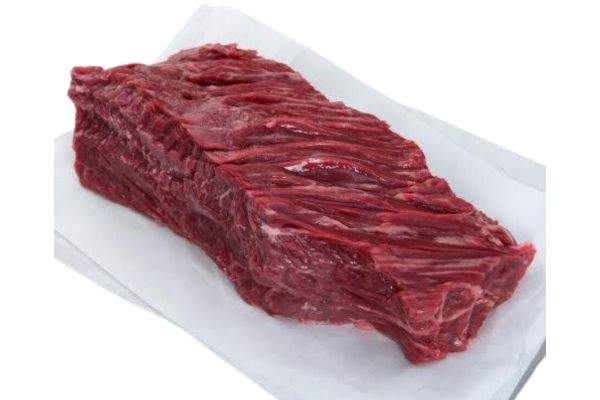
HANGER STEAK

Other names: In France and Quebec, Canada, it is referred to as onglet.

Characteristics: The hanger steak connects the animal’s diaphragm to the area behind the last rib, near the kidneys. It consists of two long muscles connected by elastic connective tissue. (A good butcher will separate the two muscles before selling them.) Hanger meat has a coarse, visible texture from short transverse muscle fibers. It has a strong flavor and wonderful tenderness (even better than bottom sirloin flap), making it a favorite of meat lovers and especially butchers, who often keep it for themselves. This is probably why it is sometimes called butcher’s steak.

Best way to cook: Medium rare. It should be cut into thin slices along the grain. Excellent as a steak.


9. SKIRT
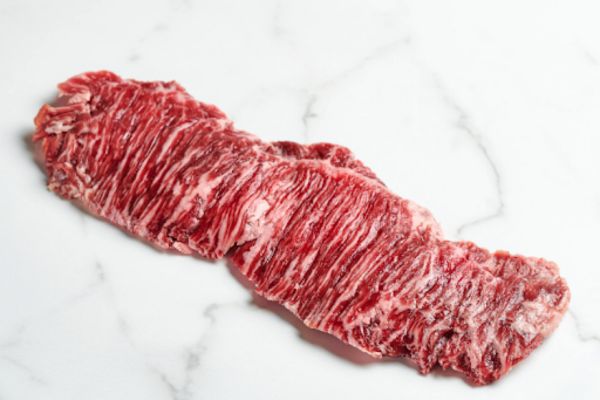
SKIRT

Other names: Plate steak in western Canada.

Characteristics: This long, flat muscle surrounds the animal’s abdominal cavity. There are two skirts: inner and outer. Skirt steaks are fatty and have a very coarse texture with a pronounced grain, giving them a rich flavor and texture similar to that of bottom sirloin flap.

Best cooking: Rare/Medium Rare. It should be cut into thin slices along the grain. Commonly used in fajitas (and so is sometimes called fajita steak). To serve as a steak, choose an outer piece, which tends to be thicker with a more pronounced grain.

Tenderness versus toughness
Whether a steak is tender or tough depends on how the animal is raised. The more a muscle is used, the more tightly it is connected to the animal’s skeleton by tough, elastic fibers called connective tissue (which supports and connects muscles to each other). The more tissue there is, the tougher the meat. Thus, tender cuts come from areas where muscles get less exercise (such as ribs, shoulder, and tenderloin).

Another important factor in terms of flavor and tenderness is marbling, a term that refers to the presence of fine strands of intramuscular fat that give the meat a marbled pattern. This is what gives red meat its juicy flavor and melt-in-the-mouth texture. Choosing a cut of beef with plenty of marbling is recommended. Note that the layer of fat surrounding a piece of meat does not affect its tenderness.

In Canada and the US, beef is graded on a scale of four grades based on the amount of marbling: A (least), AA or AAA (most), and prime, which is even better than AAA and is sold mainly in restaurants.

Charcoal and health: the benefits of grilling

Charcoal and health: the benefits of grilling

Charcoal and health: the benefits of grilling


Κάρβουνο και υγεία: τα οφέλη του ψησίματος

Smoky aroma and delicious flavour are the two main advantages of charcoal grilling. But did you know that grilling with traditional charcoal can also improve our health?
From reducing fat content to aiding digestion, charcoal grilling can work wonders for your health. Let’s take a look some of the amazing benefits of charcoal grilling so you can enjoy your grilled food without guilt.

Reduces fat content:

Charcoal grilling is an effective way to reduce the fat content of your food. When you grill meat, the fat drips off, leaving you with a leaner cut. Plus, because grilling with traditional charcoal is a dry heat method, you don’t need to add oil or fat to the grill like you would when frying or sautéing. This helps with a lower calorie intake.

Preserves nutrients:

Charcoal grilling is a quick and intense cooking method that helps preserve the nutrients in your food. When you grill your food, you expose it to high heat for a short period of time, which means it retains more vitamins and minerals than if it were cooked for a longer period of time. This is especially true for vegetables, which can lose a significant amount of nutrients if boiled or steamed for too long.

Lower sodium content:

Grilling your food may allow you to reduce sodium intake. Adding other flavours and seasonings such as herbs, spices, and citrus fruits, to grilled food, provides flavour without the need for extra sodium.

Reduced carcinogens:

Many people worry that grilling may be harmful due to the formation of carcinogens. However, recent studies have shown that the amount formed during charcoal grilling is minimal, especially when compared to other cooking methods, such as frying. As long as you grill your food properly and avoid heavily charring, charcoal grilling can be a safe and healthy way to cook.

Aids digestion:

Charcoal grilling can help break down proteins in food, making them easier to digest. When grilling, the high temperature helps caramelize the outside, which can improve the flavor and texture of your meal. Plus, because you’re not using added oils or sauces, you’re less likely to experience heartburn or indigestion.

Increases satiety:

Grilling food can actually help you feel full for longer. When you grill food, the high temperature helps caramelize the natural sugars it contains, making it more satisfying and flavorful. Without the need for extra oils or sauces, you’re less likely to see a sharp rise in blood sugar levels, delaying hunger and food cravings.
In conclusion, the health benefits of cooking with traditional SIDERIS charcoal are significant and cannot be ignored. From reducing fat intake to improving digestion, charcoal grilling is a healthy and delicious way to cook your food. So, the next time you fire up your grill, remember that you’re not only enjoying a delicious meal, but also doing your body good! We are always here to offer you the best charcoal experience.

Sources:

American Cancer Society. (2021). Common Questions About Diet and Cancer. Retrieved from https://www.cancer.org/healthy/eat-healthy-get-active/acs-guidelines-nutrition-physical-activity-cancer-prevention/common-questions.html
Centers for Disease Control and Prevention. (2021). Reducing Sodium in Your Diet. Retrieved from https://www.cdc.gov/salt/reduce_sodium_tips.htm

Gas or charcoal? The king of every barbecue lover’s heart

Gas or charcoal? The king of every barbecue lover’s heart

Gas or charcoal? The king of every barbecue lover’s heart


Υγραέριο ή κάρβουνο; Ο βασιλιάς στην καρδιά κάθε ψήστη

Traditional lumpwood charcoal has held a special place in the hearts of every discerning barbecue enthusiast for decades. The main reason is the incomparable flavor you get.

Gas grills have the clear advantage of time, since all you need to do is turn a knob to start the fire and then adjust the intensity. From a technical point of view, however, gas does not add any particular flavor to grilled food.

On the contrary, charcoal grills may not offer the same level of convenience as gas, but they have one advantage that stands out above all others: the incredible smokey flavor. The heat from the charcoal allows the meat to caramelise and gives food a wonderful, smoky flavour.

Of course, charcoal grilling takes more time than gas grilling, from lighting the coals to properly managing the flame. On the other hand, grills that use traditional lumpwood charcoal are less expensive than gas grills, while charcoal is also more convenient and lighter than gas bottles.

Let’s face it: barbecuing with family and friends before sitting down to a meal is an unbeatable experience that results in a delicious treat that gas will never be able to offer you.