
Recommended beef cuts for charcoal grilling
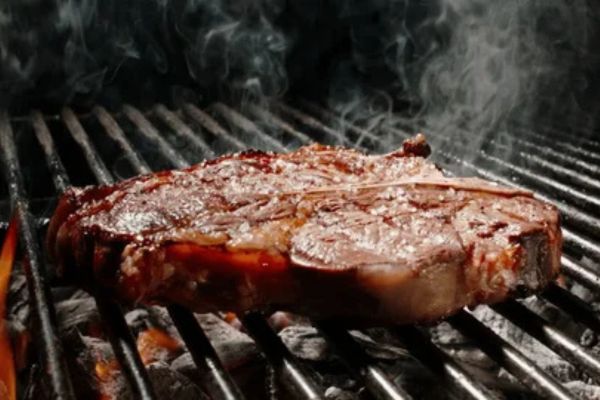
Butcher shops now offer a wide variety of beef cuts, but do you really know which ones to ask for in order to enjoy the best possible charcoal grill experience? Here are our favorite cuts of beef —all delicious and suitable for different budgets.
1. FILET MIGNON
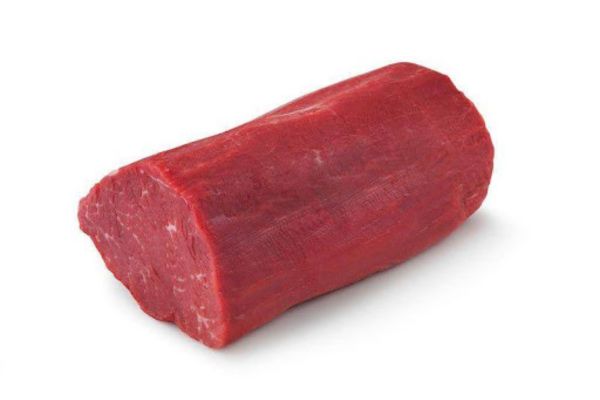
The French term filet mignon is widely used. It may also be referred to as tenderloin, medallion, or chateaubriand.
Characteristics: The filet is by far the most tender cut of beef, and because it is very lean, its flavor is quite delicate. Its texture is almost buttery and very uniform, as it contains little connective tissue or fat. If you buy chateaubriand, make sure that the meat actually comes from the fillet. Also, be careful not to confuse tournedos with fillet. The term tournedos can refer to any piece of meat that has been tied with string, giving it a round shape. It is usually made from the inside or outside round of the thigh and is definitely less tender than the tenderloin!
Best way to cook: Rare / Medium Rare. This fillet tends to dry out, so be careful not to overcook it.
2. TOP SIRLOIN
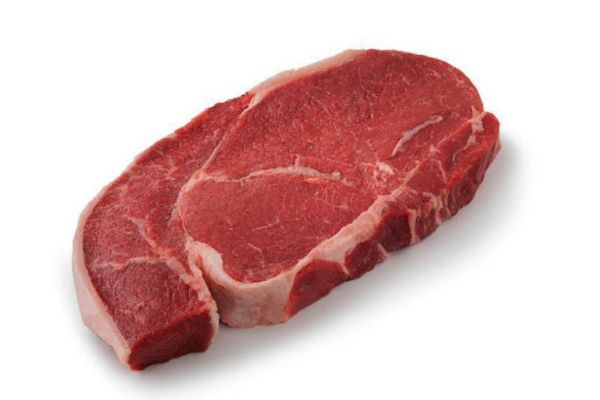
Characteristics: Top sirloin is less tender than strip loin and ribeye steaks, but more affordable and just as delicious.
Best way to cook: Rare / Medium Rare
3. STRIP LOIN
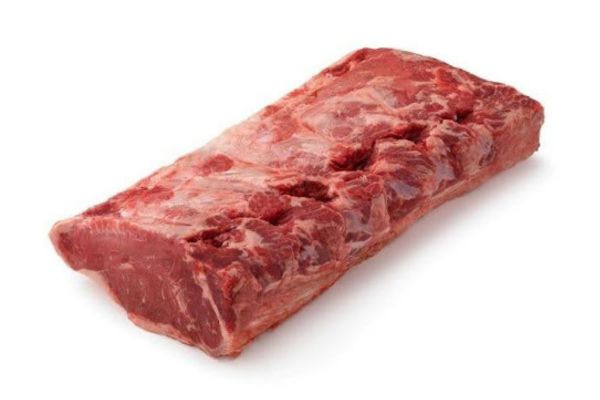
Other names: Contre-filet. On menus in the US, it is often called New York strip or Kansas strip (bone-in).
Characteristics: Strip loin is similar to tenderloin, but not as tender. However, it has much more marbling, making it juicy and flavorful. It’s also cut fairly thin and has a uniform texture.
Best way to cook: Rare/Medium Rare
4. RIB STEAK & RIB EYE
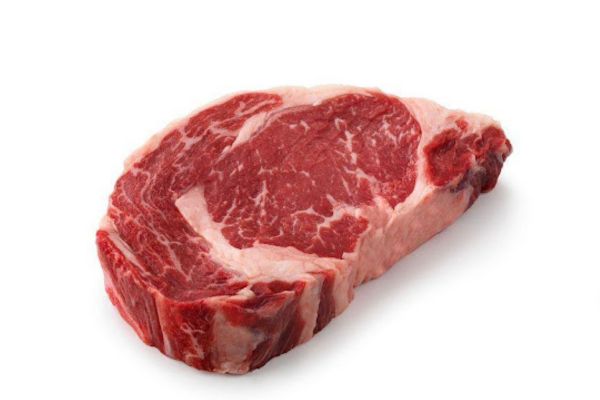
Other names: On menus in the US, these are often referred to as Cowboy (for rib steak) or Delmonico (for rib-eye).
Characteristics: Rib-eye is the term for a boneless rib steak. Grilling enthusiasts prefer these cuts because they have a strong beef flavor. The reason? They contain a piece of fat called a fat plug, which is where the flavor, tenderness, and juiciness come from. The size of the fat plug decreases depending on which part of the animal it comes from. If you prefer something leaner, ask your butcher to cut meat from the lower part of the rib cage.
Best way to cook: Rare/Medium Rare
5. T-BONE
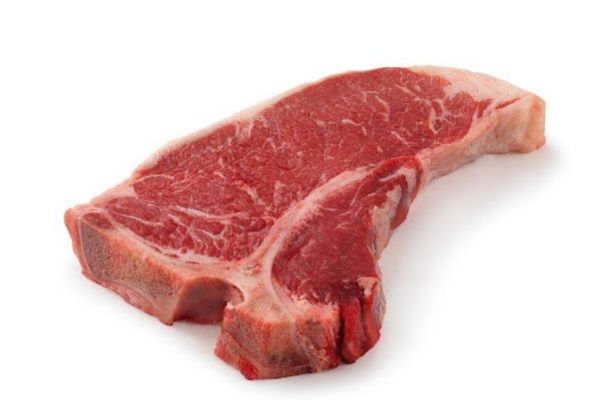
Other names: Porterhouse is the term used for cuts with a larger amount of tenderloin.
Characteristics: With a T-bone steak, you enjoy the best cuts of meat: a little tenderloin and a generous portion of strip loin. Porterhouse is cut from the bottom of the tenderloin (closer to the hip) and offers more tenderloin than T-bone, which is cut from the middle, however both are tender and delicious.
Best way to cook: Rare or medium rare.
6. BOTTOM SIRLOIN TRI-TIP
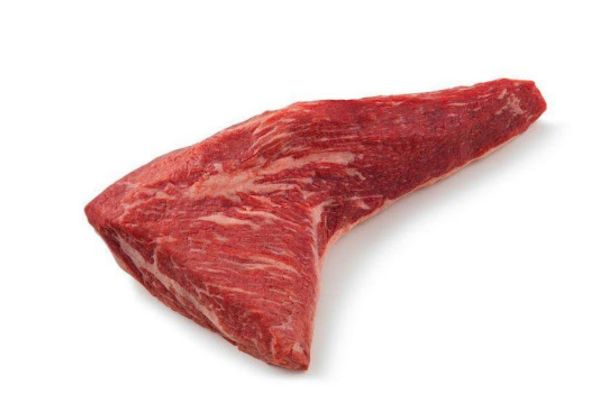
Other names: Triangle, rump tail. In the US, it is often called Santa Maria steak.
Characteristics: The tri-tip is a lesser known cut that is rapidly gaining popularity. It is lean, tender, and offers excellent value. This muscle has a fine, uniform texture, little fat and no bones, so minimal trimming is required. The cut can be purchased whole and cooked as a roast or cut into steaks. When roasted, its irregular shape allows for two different levels of doneness: rare in the thicker part and medium rare in the thinner part.
Best cooked: Rare or medium rare. Avoid overcooking, which will dry out the meat. It should be cut into thin slices along the grain.
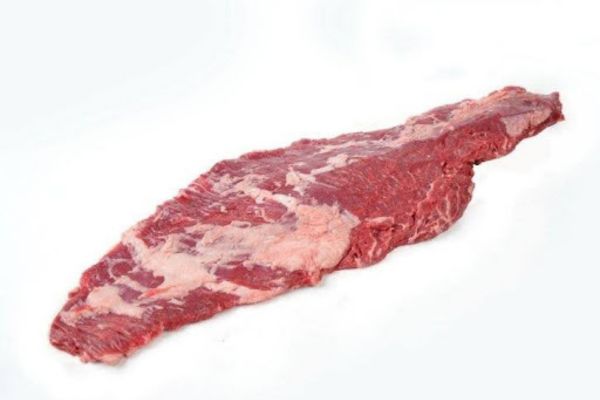
7. BOTTOM SIRLOIN FLAP
,
Other names: In France and Quebec, Canada, it is referred to as bavette.
Characteristics: This flavorful cut became popular in French bistros with the classic Bavette à l’échalote, a grilled steak served with an onion sauce. Think of it as the refined cousin of flank steak, with slightly thicker meat. It is also more tender than flank (thanks to its marbling) and just as delicious.
Best way to cook it: Rare or medium rare. It should be cut across the grain. It’s delicious as a steak, but also in strips in fajitas or warm salads.
Two cuts worth discovering
Behind the butcher’s counter, there are treasures waiting to be discovered. You probably won’t find these cuts in large supermarket chains. Instead, visit a butcher shop that offers a variety of beef cuts or place an order in advance. Prices and availability vary. Due to relatively low demand, they are slightly cheaper than classic cuts — for now.
8. HANGER STEAK
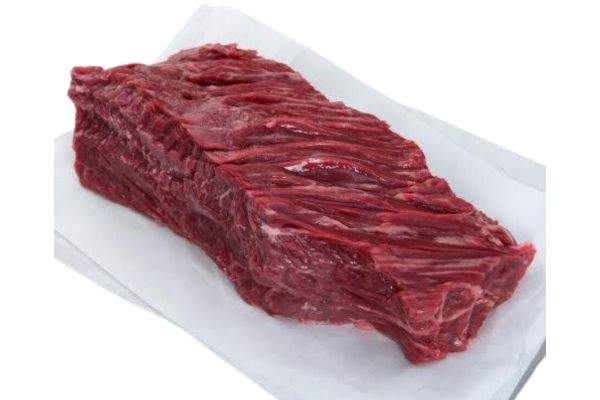
Other names: In France and Quebec, Canada, it is referred to as onglet.
Characteristics: The hanger steak connects the animal’s diaphragm to the area behind the last rib, near the kidneys. It consists of two long muscles connected by elastic connective tissue. (A good butcher will separate the two muscles before selling them.) Hanger meat has a coarse, visible texture from short transverse muscle fibers. It has a strong flavor and wonderful tenderness (even better than bottom sirloin flap), making it a favorite of meat lovers and especially butchers, who often keep it for themselves. This is probably why it is sometimes called butcher’s steak.
Best way to cook: Medium rare. It should be cut into thin slices along the grain. Excellent as a steak.
9. SKIRT
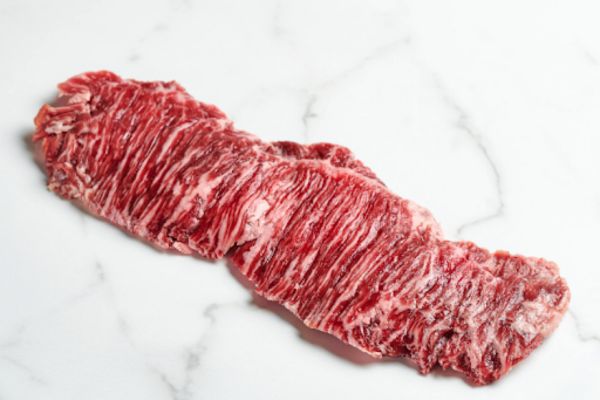
Other names: Plate steak in western Canada.
Characteristics: This long, flat muscle surrounds the animal’s abdominal cavity. There are two skirts: inner and outer. Skirt steaks are fatty and have a very coarse texture with a pronounced grain, giving them a rich flavor and texture similar to that of bottom sirloin flap.
Best cooking: Rare/Medium Rare. It should be cut into thin slices along the grain. Commonly used in fajitas (and so is sometimes called fajita steak). To serve as a steak, choose an outer piece, which tends to be thicker with a more pronounced grain.
Tenderness versus toughness
Whether a steak is tender or tough depends on how the animal is raised. The more a muscle is used, the more tightly it is connected to the animal’s skeleton by tough, elastic fibers called connective tissue (which supports and connects muscles to each other). The more tissue there is, the tougher the meat. Thus, tender cuts come from areas where muscles get less exercise (such as ribs, shoulder, and tenderloin).
Another important factor in terms of flavor and tenderness is marbling, a term that refers to the presence of fine strands of intramuscular fat that give the meat a marbled pattern. This is what gives red meat its juicy flavor and melt-in-the-mouth texture. Choosing a cut of beef with plenty of marbling is recommended. Note that the layer of fat surrounding a piece of meat does not affect its tenderness.
In Canada and the US, beef is graded on a scale of four grades based on the amount of marbling: A (least), AA or AAA (most), and prime, which is even better than AAA and is sold mainly in restaurants.